How Dental Sealants Support Stronger Smiles in Children
Source: Dr. Marketing
Most cavities in children do not begin because parents are careless. They begin because molars are complicated.
If you look closely at your child’s back teeth, you will notice tiny grooves and pits on the chewing surfaces. These grooves are natural. They help break down food. But they also trap it. Even children who brush twice a day can miss those narrow spaces. Over time, bacteria settle in, acids form, and enamel begins to weaken.
This is where dental sealants quietly make a powerful difference.
At Pediatric Dentistry of Alaska, located in Wasilla and Palmer, we often explain to parents that sealants are one of the simplest yet most effective ways to protect newly erupted molars during cavity-prone years. They are preventive, comfortable, and designed to strengthen your child’s smile before problems begin.
Why Back Teeth Need Extra Protection

The front teeth are smoother and easier to clean. Molars are different. Their deep fissures create a landscape that toothbrush bristles simply cannot fully reach.
Children between the ages of six and fourteen are especially cavity-prone. This is the period when permanent molars erupt and when brushing independence increases, but technique is still developing. Add in snacks, juice, busy schedules, and occasional rushed bedtimes, and those grooves become vulnerable.
Sealants work by closing off those deep pits before decay begins. Instead of trying to constantly clean areas that are difficult to access, we make the surface smoother and more resistant to plaque buildup.
For many families visiting Pediatric Dentistry of Alaska, located in Wasilla and Palmer, this small preventive step significantly reduces the likelihood of fillings later.
What Happens During a Sealant Appointment?
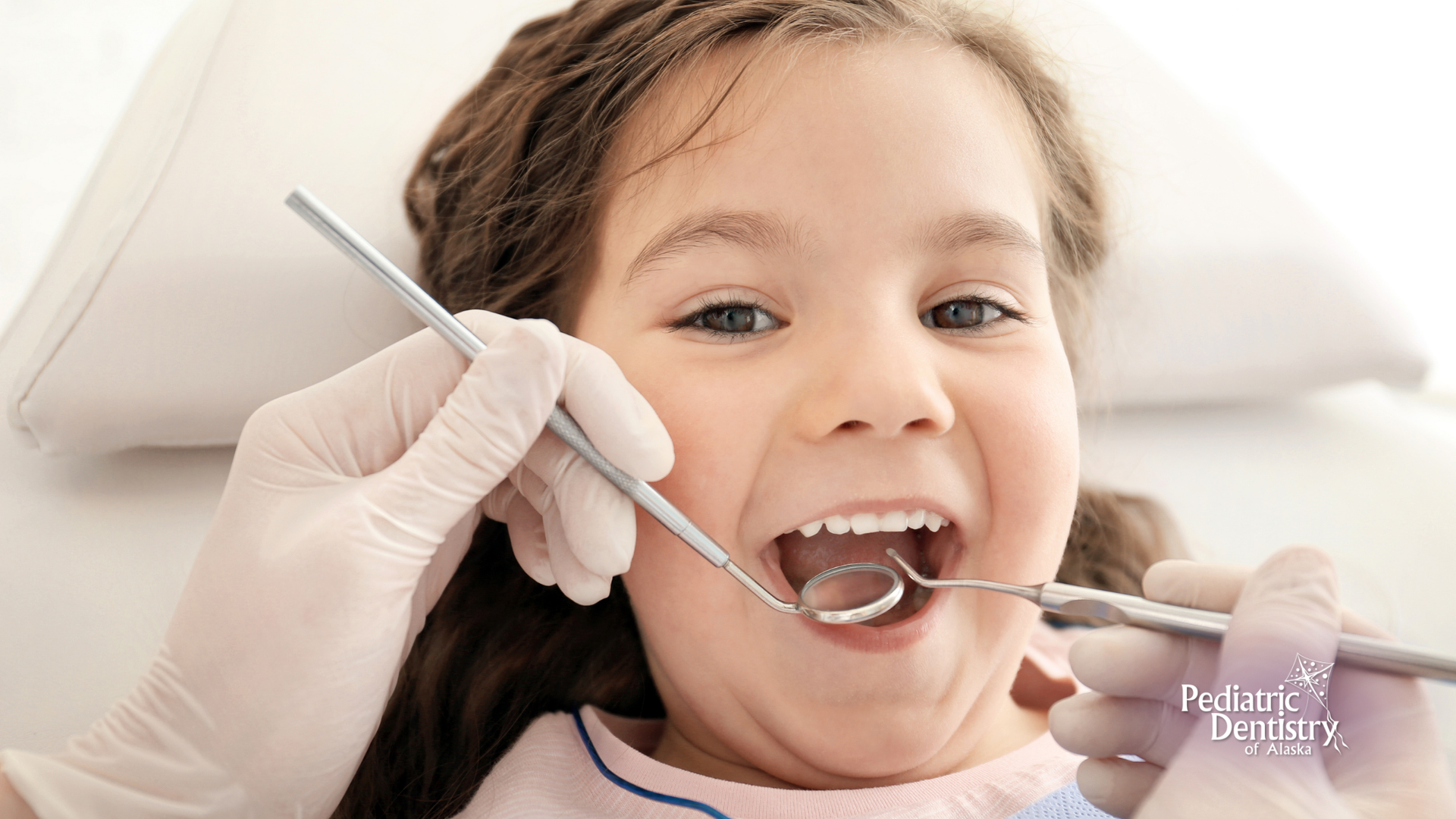
Parents are often surprised by how simple the process is. There is no drilling. No injections. No removal of healthy tooth structure.
The tooth is cleaned thoroughly, prepared with a gentle solution to help bonding, and then a liquid protective coating is painted directly into the grooves. A special light hardens the material within seconds. That is it.
Most children tolerate the procedure extremely well because it is comfortable and quick. In many cases, sealants can be placed during a routine checkup. If your child feels nervous about dental visits, preventive treatments like sealants also create positive, low-stress experiences that build confidence over time.
Timing Makes a Difference
Sealants are most effective when placed soon after permanent molars erupt. The first set typically appears around age six. The second set emerges around age twelve. Applying sealants early protects teeth during the years when cavities most commonly develop. Waiting until decay appears defeats the preventive purpose.
Every child is different. Some have naturally deeper grooves. Some have a history of cavities. Others may need extra support with brushing technique. A personalized evaluation helps determine whether sealants are appropriate at your child’s current stage.
If you are unsure whether your child’s molars are fully erupted yet, a simple examination at Pediatric Dentistry of Alaska, located in Wasilla and Palmer can provide clarity and guidance.
Are Dental Sealants Safe?

Dental sealants have been used safely for decades and are supported by major dental organizations. Research consistently shows that sealants reduce cavity risk in molars by up to eighty percent.
That reduction is significant.
Preventive dentistry works best when it is proactive. Instead of waiting for decay and then treating it, we reduce the likelihood of decay forming in the first place. For parents who want to minimize restorative treatments in the future, sealants are often one of the most effective tools available.
How Long Do Sealants Last?

Sealants are durable and can last several years with proper care. During routine visits, we check them to ensure they remain intact.
If a sealant begins to wear or chip, it can typically be repaired or reapplied easily. There is no special maintenance routine beyond normal brushing, flossing, and regular dental checkups. The key is consistency. Monitoring sealants over time ensures your child continues to benefit from their protection.
What Sealants Do Not Replace
Sealants are an added layer of protection, not a substitute for daily oral hygiene. Children should still brush twice daily with fluoride toothpaste, floss regularly, and maintain balanced eating habits. When sealants are combined with strong home care routines, they create a powerful defense against cavities.
If brushing remains a daily challenge in your household, we are always happy to provide practical, age-appropriate strategies to make oral care easier and more effective.
Prevention Builds Confidence

Cavities are common, but they are not inevitable.
When children experience fewer dental problems, they develop more positive associations with dental care. They avoid discomfort, reduce the need for restorative procedures, and build lifelong healthy habits.
Sealants are not about creating a perfect smile. They are about protecting newly erupted molars during the years when they are most vulnerable.
If your child is between six and fourteen, has deep grooves in their back teeth, or has experienced cavities before, it may be time to discuss whether dental sealants are appropriate.
A Small Step That Makes a Big Difference
Dental sealants are simple, comfortable, and highly effective. They protect the teeth that are most likely to develop decay during childhood and adolescence. If you would like to know whether sealants are right for your child, scheduling a preventive evaluation is the best next step. A short visit today can help prevent more involved treatments in the future.
At Pediatric Dentistry of Alaska, located in Wasilla and Palmer, our focus is always on prevention first. Protecting your child’s smile does not require complicated measures. Sometimes, it starts with sealing the grooves that brushing alone cannot fully reach.