Common Holiday Dental Problems in Children and How to Handle Them
Source: Dr. Marketing
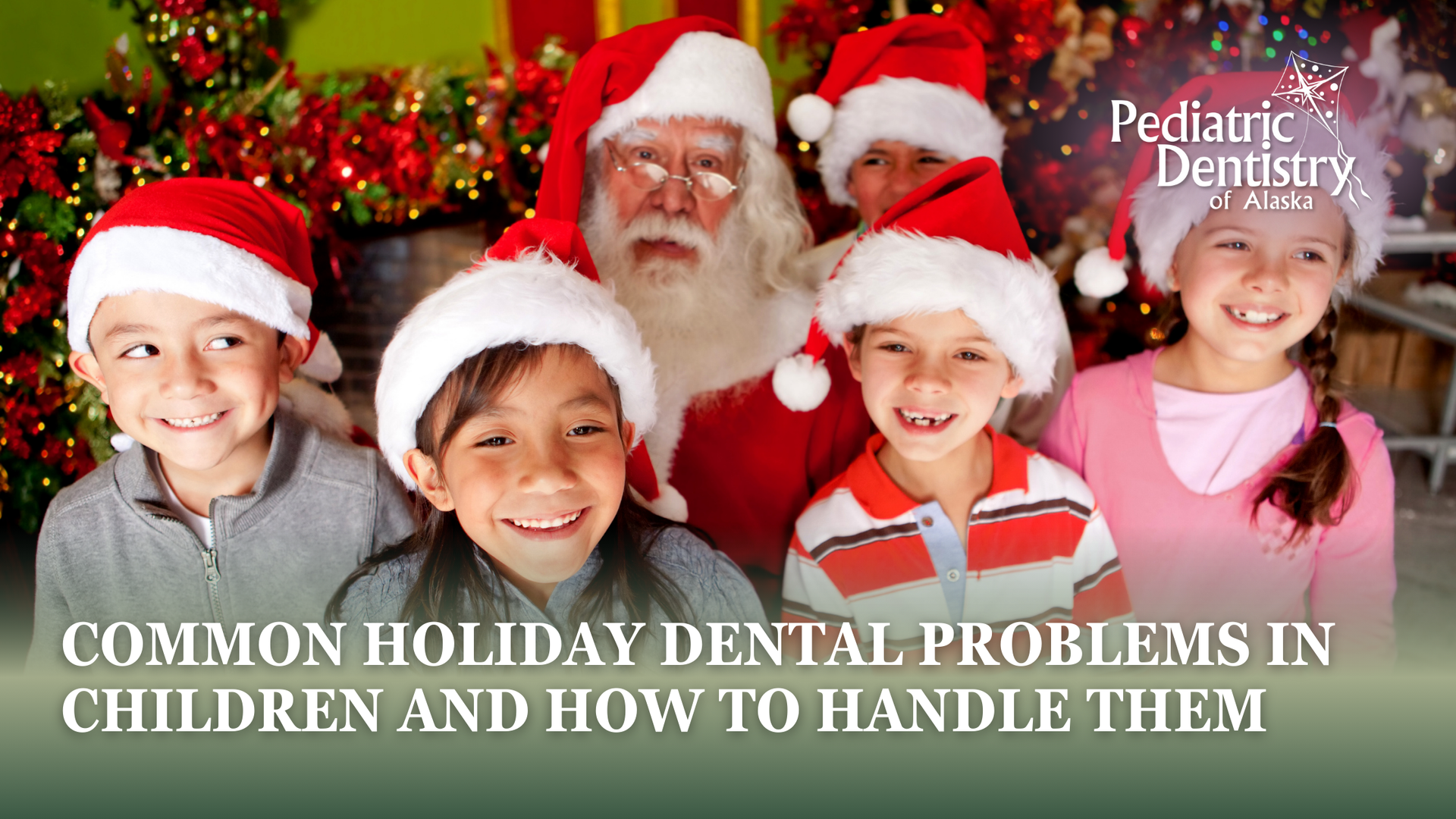
The holiday season is full of excitement for children. Family gatherings, school breaks, travel days, special treats, and late nights all blend together, and routines often shift without anyone noticing. That is why dental concerns can feel especially stressful in December. A tooth that seemed fine last week suddenly hurts during dinner. A chip appears after a candy cane. A fall during playtime leads to swelling or tenderness.
At Pediatric Dentistry of Alaska, we often remind parents that holiday dental problems are usually not random. They tend to show up when schedules change, snacking increases, and children are more active. When parents understand what is most likely to happen and how to respond, it is easier to stay calm and protect a child’s comfort without disrupting the season more than necessary.
Why dental concerns are more common during holiday celebrations

The most common holiday pattern is simple. Children snack more often, brush less consistently, and spend more time doing activities that raise the chance of bumps and falls. Sugary and starchy foods feed bacteria that create acids, and those acids can weaken enamel, especially if teeth are not being cleaned well before bed.
Late nights are another quiet factor. When children fall asleep in the car, on a couch, or after a long day of events, brushing and flossing can get shortened or skipped. Even a few nights like this can increase sensitivity in areas that are already vulnerable, particularly if a small cavity or early enamel breakdown is present.
Toothaches that appear during the holidays
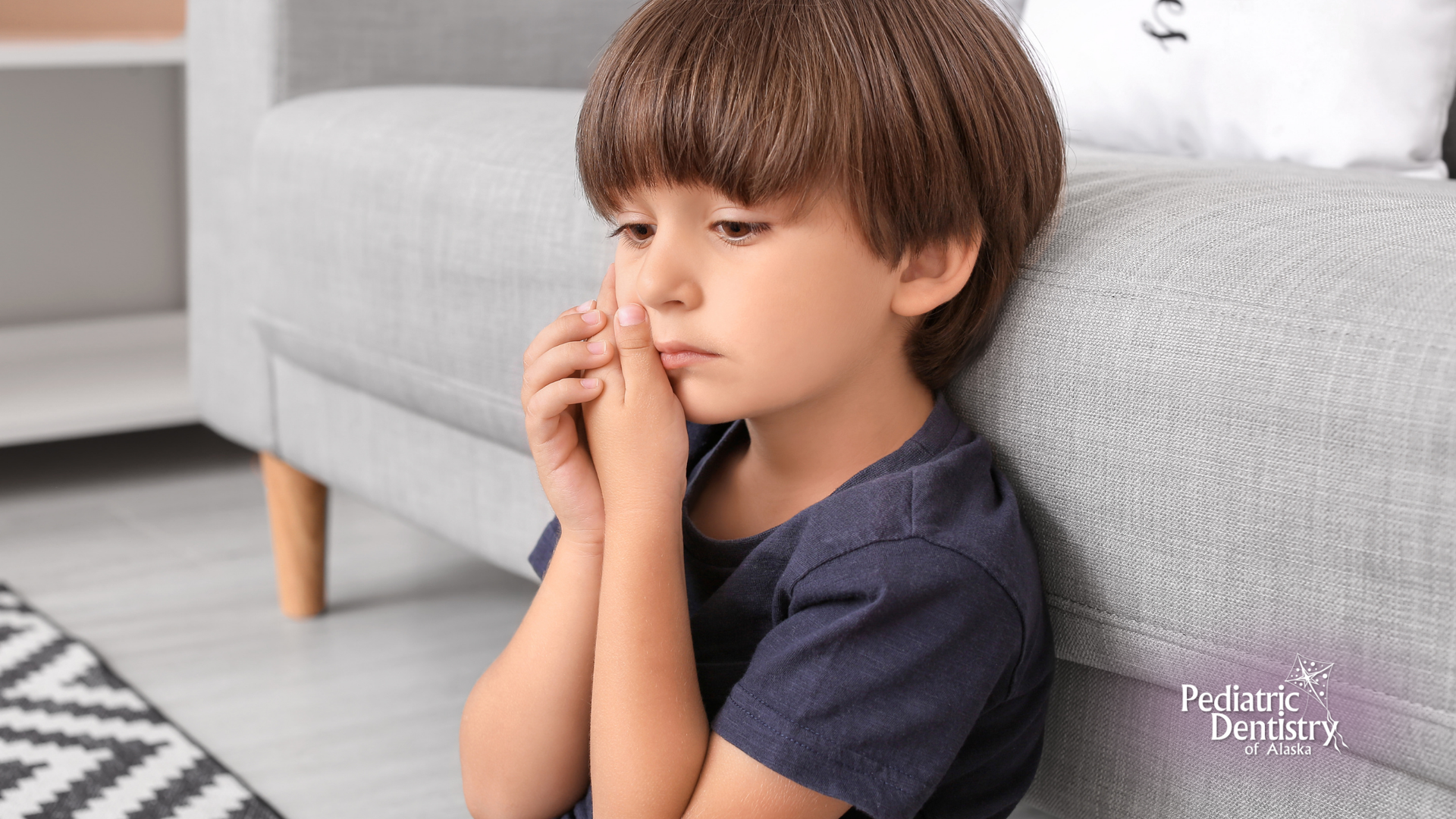
Tooth pain that shows up during the holidays often has a lead-up. Early decay can stay unnoticed until something triggers it, such as frequent sweets, cold drinks, or biting into foods that require more chewing. Some children will describe the pain clearly. Others may avoid chewing on one side, chew slowly, or suddenly refuse foods they usually enjoy.
In many cases, discomfort that comes and goes is a sign that a tooth is reacting to stimulation, such as temperature or pressure. It is not always constant at first. That is why it helps to watch for patterns instead of waiting for pain to become severe. A consultation with us can help identify whether a child is dealing with enamel sensitivity, early decay, gum inflammation, or a bite issue that becomes more noticeable during busy holiday routines.
Chipped teeth from treats and seasonal foods
Holiday foods are often harder on teeth than everyday meals. Candy canes, toffee, popcorn kernels, and crunchy snacks can chip teeth, especially if a tooth already has a weak spot from decay or a previous filling. A small chip may look minor but can create sharp edges that irritate the tongue or cheek. A deeper chip can expose sensitive inner layers of the tooth and make chewing uncomfortable.
This is also a season when children try new foods quickly, sometimes biting without caution because they are excited or distracted. A common example is biting into something unexpectedly hard, such as a frozen treat or a nut hidden in a dessert.
Falls, bumps, and teeth that feel loose or sore
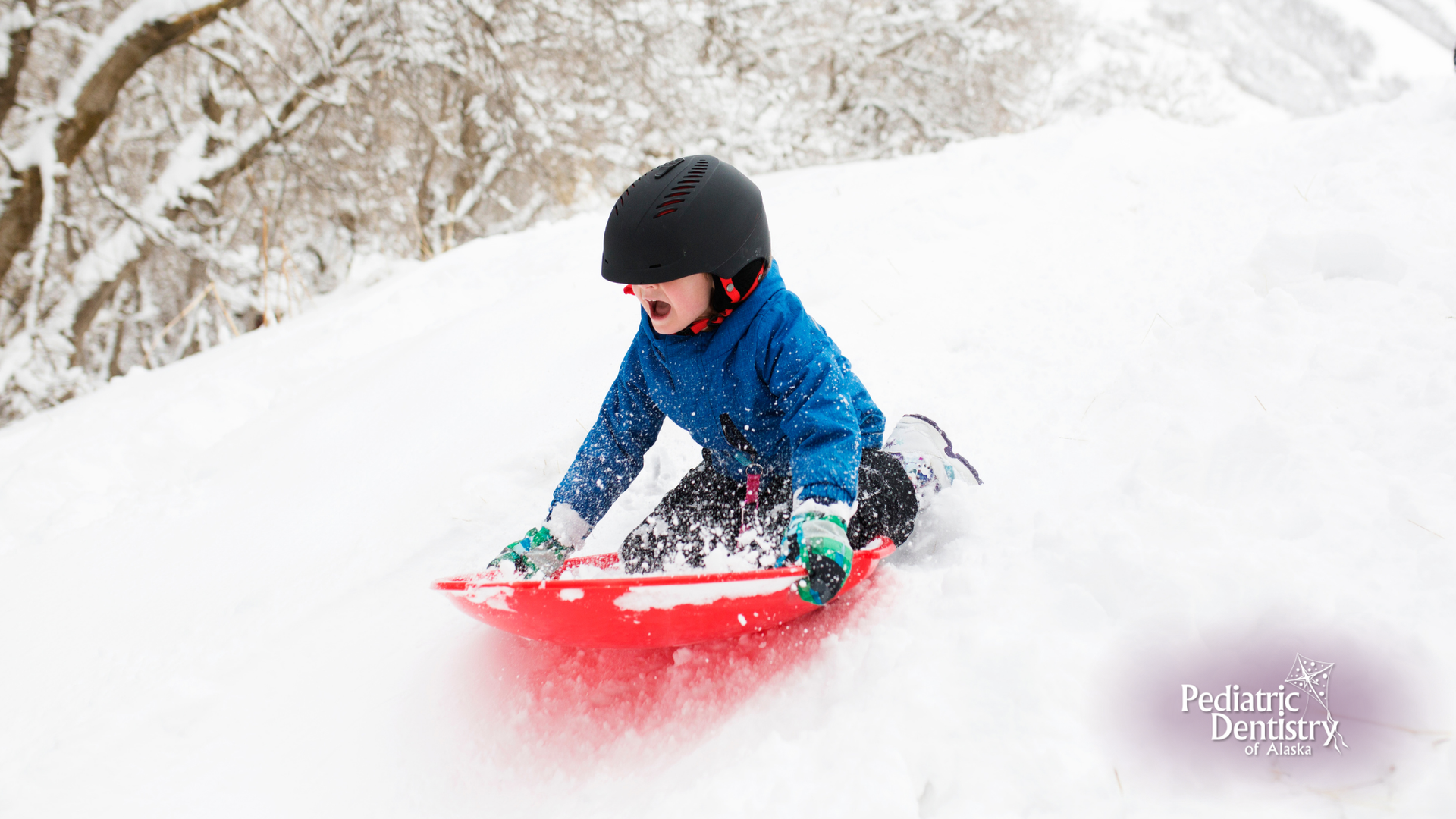
Holiday gatherings often mean more running, playing, and indoor activity, especially when the weather is cold. A slip, a collision with a cousin, or a fall in an unfamiliar home can lead to dental trauma. Sometimes the tooth looks normal but feels sore. Sometimes there is a visible change, such as a chip, a shift in position, or gum bleeding.
If a tooth feels loose, the safest approach is to avoid wiggling it repeatedly and keep eating on the other side until it can be evaluated. A child may also complain that their bite feels different after an impact, even if the tooth looks fine. A change in bite can be an important clue that something shifted.
Soft tissue injuries that can distract from the real issue
Biting the cheek or lip is common during busy meals, especially when children are talking, laughing, and eating quickly. These injuries usually heal well, but swelling and tenderness can sometimes hide a nearby tooth problem, particularly if the child fell or bumped their face.
If a child has a cut in the mouth along with tooth sensitivity, soreness when biting, or discomfort that persists beyond the first day or two, a professional assessment helps clarify what is happening beneath the surface.
How parents can be prepared without overthinking it

Preparation does not mean taking the fun out of the holidays. It means creating small habits that prevent the most common problems. Keeping brushing consistent at night is one of the most effective steps. Even on late evenings, a thorough brush before bed reduces the risk that holiday snacks will linger on teeth for hours. If travel or events make brushing difficult after meals, rinsing with water and returning to brushing as soon as possible still supports oral hygiene.
It also helps to be mindful of how sweets are consumed. Treats eaten slowly over long periods expose teeth to acids for longer. When sweets are kept to a more limited time window and followed by water, it reduces the overall impact.
If a child plays contact sports or skates during the season, using appropriate protection can reduce the risk of dental injury. If a child already has a mouthguard, keeping it accessible during travel days makes a difference.
What a consultation can do for families during the season
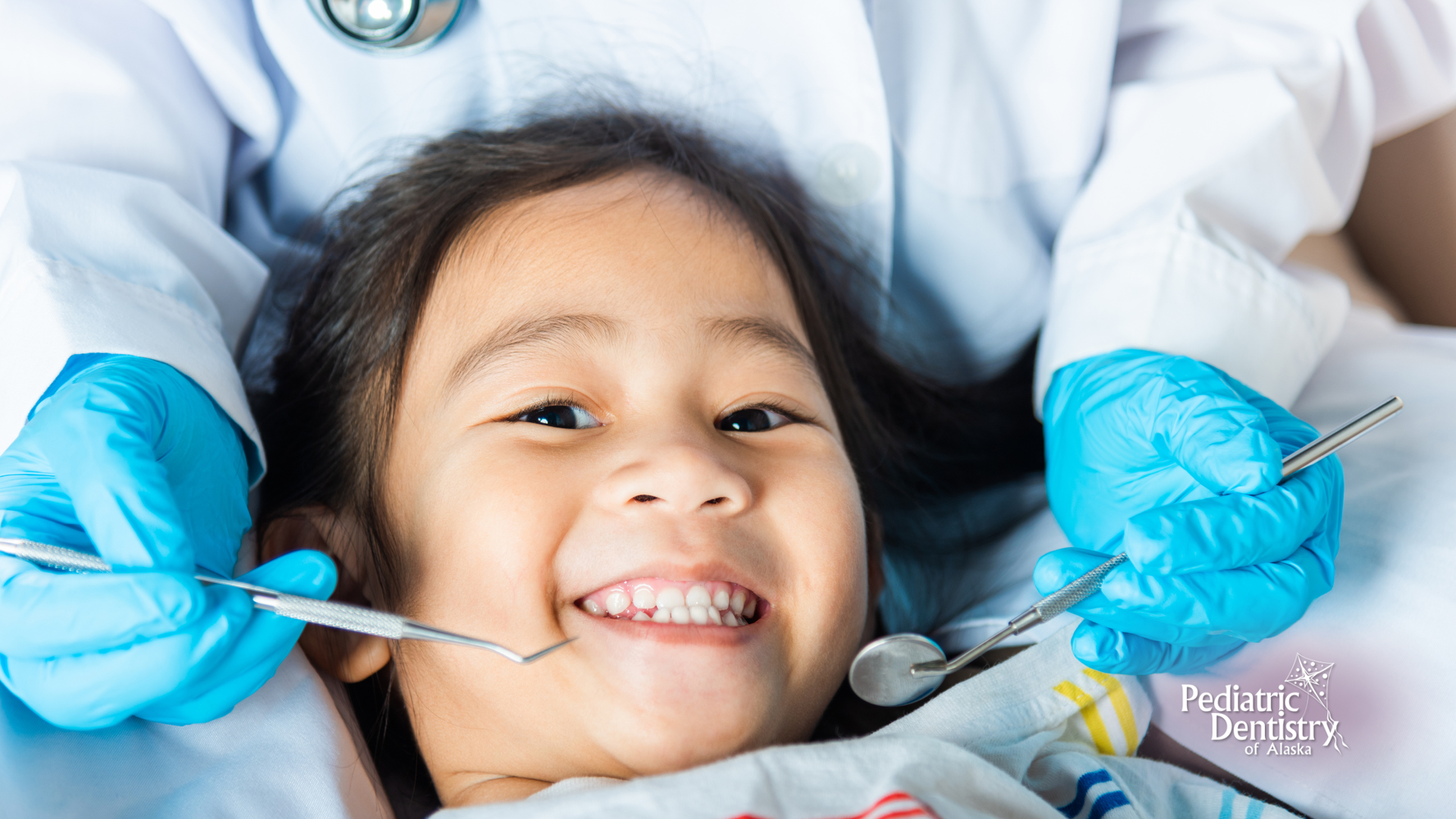
Parents do not just want reassurance. They want a clear plan. A consultation provides clarity on what is causing discomfort, what should be monitored, what needs treatment, and what timing makes sense based on the child’s needs and the family schedule.
At Pediatric Dentistry of Alaska, we focus on education during consultations so parents understand what is happening and what the next steps look like. This approach helps families move forward with confidence rather than guessing through the holiday season.
A stronger, clearer next step for parents
If your child experiences tooth discomfort, a visible change to a tooth, or a dental injury during holiday celebrations, it is worth getting clear answers instead of watching and hoping it settles. The earlier a concern is assessed, the easier it is to protect comfort, support healthy healing, and prevent the issue from turning into a bigger interruption later.
Schedule a consultation with Pediatric Dentistry of Alaska in Wasilla and Palmer to review what is happening, discuss options, and create a plan that fits your child’s needs and your family’s holiday calendar. A confident season starts with informed decisions and a smile that stays comfortable from the first gathering to the last.